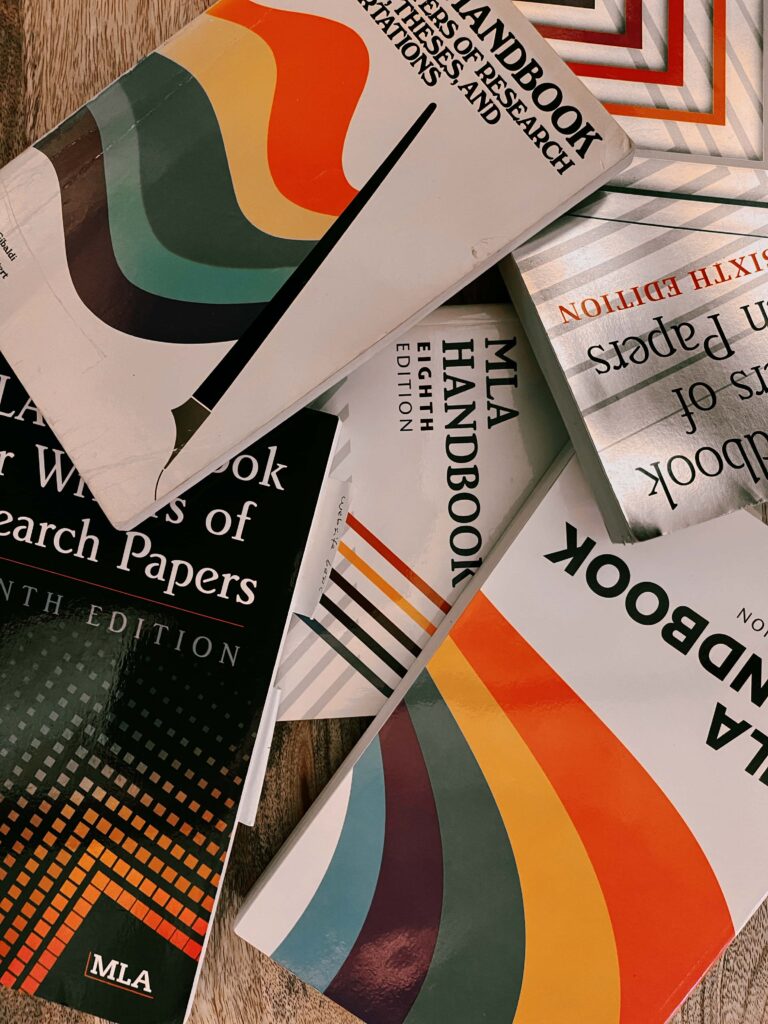
The annual Modern Language Association (MLA) Convention ended this past weekend. I was not there. Last year I attended the convention in Philadelphia, but a few months after it, I decided to let my MLA membership lapse because of a specific interaction that highlighted MLA’s lack of support for underfunded schools such as the one I work at.
This year, the convention has been roiled in controversy because of the Executive Committee’s decision not to allow a resolution regarding the war in Israel and Palestine to come to the Delegate Assembly for a vote. For details of that controversy, see this statement by writers of the resolution, this statement by 8 former MLA presidents, and various posts at Christopher Newfield’s blog. I was a member of the Delegate Assembly (as a graduate student representative for the northeast) when a previous resolution regarding Israel and Palestine came forward, so I am familiar with how contentious and difficult the issue can be for the organization.
Since my point here is not, in fact, about Israel/Palestine, I will say only that my experience on the Delegate Assembly led me ultimately to believe that any such resolution ought to be voted on by the membership, because without a vote of the full membership, it is difficult to say what the will of the organization is. I also believe this resolution is somewhat different from the earlier one because in the last year the Israeli government has, in addition to everything else it has done, carried out the destruction of Palestinian schools, libraries, and archives, and this seems to me like something an academic organization might be especially justified in taking a stand against. But again, fundamentally I simply believe this resolution is something the full membership ought to vote on.
Except, as Matt Seybold has cogently argued, it appears the MLA leadership does not believe its primary responsibility is to the will of the membership.
Seybold previously pointed to the way the Executive Committee’s position on the recent resolution, citing “fiduciary responsibility” and other similar terms, draws from the position of conservative economists and philosophers such as Milton Friedman.
The MLA leadership seems to have decided that the organization must serve money, not members. The incident that caused me to vow never to return to the organization unless it makes significant, radical changes supports that view.
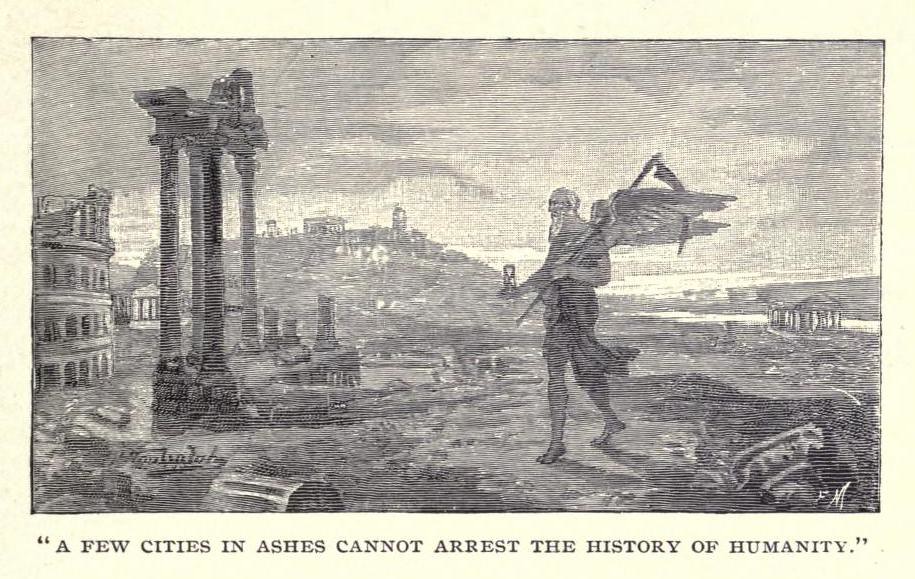
Last year, the regional public university where I work faced massive budget cuts, particularly to our library. My office is in the library and the program I direct is part of the same administrative unit (my direct supervisor is also the director of the library), so I had a front seat view of what happened. We ended all print subscriptions and we had to slash the budget for academic databases, which are hugely expensive. For at least the last decade, we’ve been making cut after cut to our budgets, and at this point we’re past cutting into bone — we’re slicing off limbs. Faculty lost access to materials they need for their work; not only access to material necessary for our research, which is now severely hampered, but to resources that were getting consistent use in classes.
One of the resources we could no longer afford was the MLA International Bibliography. This is a vital tool for humanities scholars and was getting used in courses, but it was simply too expensive and specialized for us to be able to continue to purchase access in the current budget situation.
MLA members used to receive access to the MLA IB as a benefit of membership. But then MLA decided to monetize the IB and sold it to EBSCO. Now, the only way to access it is via institutional subscription.
A few of us at my school wrote to the MLA to let them know our situation and see if there was any way to receive personal or discounted access. The answer was what caused me to vow to boycott the organization until it is significantly changed.
The response we received might as well have been written by a chatbot. They recommended that we identify classes where the MLA IB is used and document that for our librarians so our librarians could understand the value of the resource and why we should pay for it.
The tone-deafness and obliviousness in that response exemplifies how utterly useless the MLA is against the depredations of the present crisis. The humanities are being killed and the MLA is demanding that corpses pay to listen to fiddling.
I have gained a lot from the MLA over the years; in addition to serving on the Delegate Assembly, I have published in an MLA anthology, been on 3 panels at MLA conventions, and served as a mentor to younger scholars through the MLA’s excellent professionalization programs. Though I have not taught English or literature for 7 years, I have maintained my affiliation because I have felt welcomed, supported, and proud to be a member.
No more.
I have been thinking about what it would take for me to return. In the wake of recent events, this is what I have, for now, settled on:
1. The MLA must address the crisis of leadership. I will not return to an organization where the leadership does not consider its primary responsibility to be to the membership.
2. The MLA must assess and reinvigorate its mission, and it must make the benefits of membership apparent. What purpose does an organization like MLA serve in a world like ours? If, like Virginia Woolf, I am thinking about how to spend my three guineas, why should the MLA get one of them?
3. The MLA must make a commitment to open access. It is time for all MLA publications to aim for Diamond Open Access status and for the MLA International Bibliography to be provided at the very least as a membership benefit, though the ultimate goal ought to be to make it fully open to all.
Until those conditions are met, I cannot imagine becoming an MLA member again.
Why my emphasis on open access?
I will be writing more about this in the coming year, but my experience working at an underfunded public university has convinced me that access is the key question for academia today. Either you are for access or you are for the elite. The choice seems to me that stark because the situation we face is so bleak.
I say true open access — by which I mean what is sometimes called Diamond, which requires no payment from either writers or readers — because like everything good under capitalism, Open Access has been perverted for profit by corporations. The Open movement was, in many ways, naive about just how rapacious the big publishers would be, how they would co-opt Open with Orwellian language and corrupt it with Machiavellian tactics. I thought I had seen exploitative behavior in trade publishing, but then I entered the world of academic publishing and saw that it was founded on ideas of exploitation — that the entire edifice was a scam. Academics sign away all their rights to their work, allowing publishers such as Elsevier total control to make money off that work while the actual writers and researchers receive no remuneration or ability to determine how their work is used. Meanwhile, readers must pay immense amounts for the privilege of access.
I do not have much hope that the MLA will change in a way that allows me to feel good about becoming a member again. I would love to be proved wrong about this. But the fact is, the conditions under which I would return are radically different from the status quo and would threaten the MLA’s revenue streams. And there’s the problem. The MLA serves its revenue streams, not its members.
Oh well. In truth, I don’t need the MLA. It has done nothing to address (never mind alleviate!) the difficulties facing schools such as mine. And maybe it can’t — maybe it is in no position to help, no position to stand against the increasing ruination of our fields of study, no position to contradict the apocalypse of public goods. These are big problems, cultural problems, problems of politics, funding, ideology, and propaganda. It’s hard even to conceive a path forward. The know-nothing billionaires and bilious book-banners are winning.
But that just raises the question: If the MLA is helpless in the current environment, why should we support the MLA? Certainly, my money is better spent elsewhere. And so it will be.

—–
images: Photo of MLA handbooks by Matthew Cheney; illustration from Omega: The Last Days of the World via Public Domain Review; Joos de Momper the Younger anthropomorphic landscape via Wikimedia Commons.
Discover more from Matthew Cheney
Subscribe to get the latest posts sent to your email.

